

Yes, many patients ask, "Can TMJ cause tinnitus?" The answer is yes. The temporomandibular joints (TMJs) are located close to the ears, and dysfunction in these joints can affect nearby muscles, nerves, and structures associated with hearing. As a result, some individuals experience ringing, buzzing, or other sounds in their ears related to TMJ dysfunction.
Symptom
Tinnitus
Ringing, buzzing, or pressure in the ear is often connected to jaw imbalance. At the TMJ & Sleep Therapy Centre of Raleigh-Durham, we treat the TMJ to help quiet the noise.

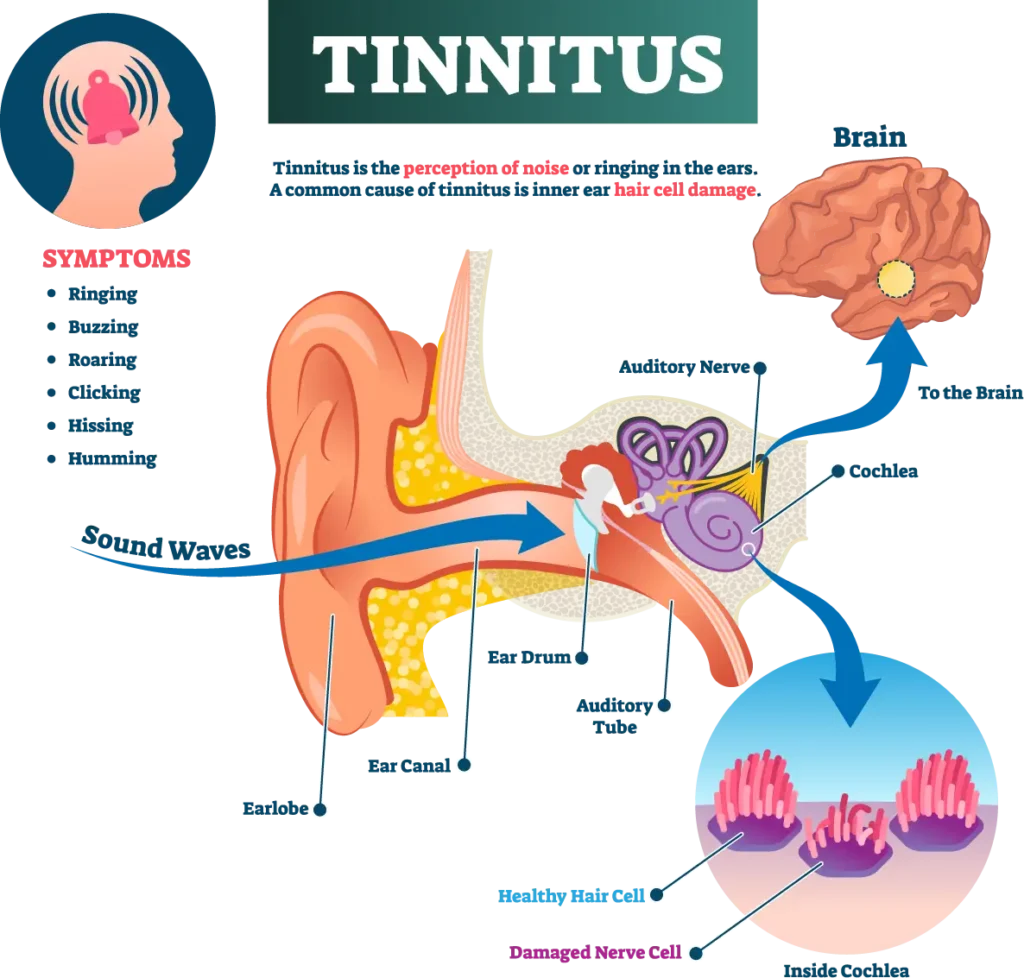
How TMJ Dysfunction Can Influence Tinnitus
“A significant association between TMD and tinnitus was found.”
MDPI, 2024 systematic review.
“Tinnitus patients with TMJ complaints could constitute a subtype… responsive to specific treatments.”
Frontiers in Neuroscience, 2019.
Our team at the TMJ & Sleep Therapy Centre of Raleigh-Durham evaluates the entire system: jaw alignment, muscle tone, bite mechanics, neck posture, and ear health. If your tinnitus changes with jaw movement, clenching, or neck position, a TMJ-focused plan may help reduce symptoms without surgery.
Why This Matters
Tinnitus affects quality of life and sleep. Global data suggest that about 14% of adults experience tinnitus, with 2% reporting severe forms. JAMA Neurology review. Guideline-based care starts with a careful history, exam, and targeted therapies rather than routine imaging or unproven drugs. AAO-HNS Tinnitus Guideline.
When To Seek Treatment
Ringing Changes With Jaw Movement
Sound gets louder or softer when you clench, open wide, or move your jaw side to side, indicating a somatosensory component.Ear Fullness With Jaw Tension
Pressure or fullness accompanies clenching, chewing fatigue, or morning tightness after grinding at night.Clicking Jaw or Limited Opening
Joint noises or restricted range of motion suggest mechanical stress near structures that share pathways with the ear.Neck or Headache Triggers
Flare-ups with posture, neck strain, or jaw use point to muscle-driven input that can modulate tinnitus perception.Relief begins with the right diagnosis
If your tinnitus changes with clenching, chewing, or neck position, the jaw may be part of the problem. At the TMJ & Sleep Therapy Centre of Raleigh-Durham, we use precise, non-surgical TMJ care to reduce irritation and calm symptoms.
Frequently Asked Questions About Tinnitus
Tinnitus can have multiple contributors. When the jaw and neck play a role, addressing mechanics and muscle input often reduces symptom intensity. These answers explain the TMJ connection and what to expect from care.
The relationship between TMJ and tinnitus is well documented. When the jaw joints become inflamed, misaligned, or strained, they can place pressure on surrounding tissues and nerves. This can contribute to ear symptoms such as ringing, fullness, popping sensations, or changes in hearing. Addressing the underlying jaw dysfunction may help reduce tinnitus symptoms in certain patients.
TMJ tinnitus refers to tinnitus symptoms that are associated with temporomandibular joint dysfunction. Unlike tinnitus caused by hearing loss or other ear-related conditions, TMJ-related tinnitus often occurs alongside jaw pain, facial discomfort, headaches, jaw clicking, or limited jaw movement.
When tinnitus is linked to TMJ dysfunction, treatment focuses on addressing the underlying jaw condition. TMJ tinnitus treatment may include custom oral appliances, bite correction, jaw exercises, muscle therapy, and other conservative therapies designed to improve jaw function and reduce stress on the joint. Every treatment plan is tailored to the patient's specific needs.
For some patients, treating TMJ dysfunction can provide significant tinnitus relief. While results vary depending on the cause and severity of symptoms, reducing inflammation and improving jaw alignment may help decrease the intensity or frequency of tinnitus.
If you are searching for tinnitus treatment Raleigh residents trust, the TMJ & Sleep Therapy Centre of Raleigh-Durham offers comprehensive evaluations to determine whether TMJ dysfunction may be contributing to your symptoms. Our team can help identify the root cause of your condition and recommend appropriate treatment options.
If you experience persistent ringing, buzzing, clicking, or other ear noises - especially alongside jaw pain, headaches, or jaw clicking - it may be time to seek tinnitus treatment near you. A professional evaluation can help determine whether your symptoms are related to TMJ dysfunction and whether treatment may help improve your quality of life.
The effectiveness of tinnitus treatment depends on the underlying cause of the condition. Patients whose symptoms are linked to TMJ disorders often experience improvement when the jaw dysfunction is properly addressed. A thorough examination can help determine whether TMJ-related treatment may be beneficial for your specific situation.