

Chronic mouth breathing dries out tissues, reduces oxygen flow, and alters facial muscle use. Over time, it can affect jaw growth, teeth alignment, and airway size — increasing the risk of sleep-disordered breathing.
Symptom
Mouth Breathing Issues in Kansas City?
Mouth breathing isn’t just a habit — it’s a sign of airway imbalance that can affect sleep, growth, and overall health. At the TMJ & Sleep Therapy Centre of Raleigh-Durham, we guide children back to healthy, nasal breathing patterns for lifelong wellness.

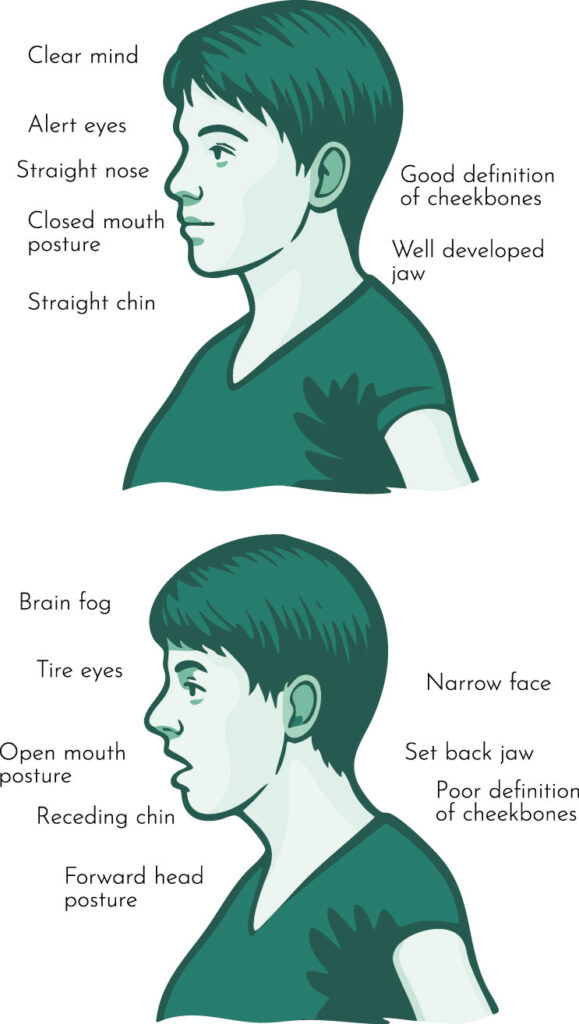
How Mouth Breathing Impacts Growth and Health
Mouth breathing is often the body’s way of compensating for an obstructed or underdeveloped airway. But when it becomes a long-term pattern, it can reshape the face, narrow the palate, and even affect how the jaw grows. Over time, this can lead to sleep disturbances, poor concentration, and misaligned teeth.
When children breathe through their mouths instead of their noses, the tongue rests low in the mouth, failing to support normal palate and airway development. The result can be a long, narrow face, crowded teeth, or even postural changes that affect the spine and shoulders. Restoring nasal breathing early helps prevent these structural and functional imbalances before they become lifelong concerns.
When To Seek Treatment for Mouth Breathing
Open-Mouth Posture
Children who rest or sleep with their mouth open may be compensating for nasal or airway obstruction.
Snoring or Restless Sleep
Frequent movement, snoring, or nighttime sweating can all point to poor oxygen exchange during sleep.
Elongated Face or Narrow Jaw
Chronic mouth breathing changes muscle tone, leading to long, narrow facial growth and crowded teeth.
Behavioral or Attention Issues
Interrupted sleep from airway restriction can affect focus, mood, and school performance.
Relief Begins With the Correct Mouth Breathing Diagnosis
Mouth breathing affects more than just sleep — it shapes how your child grows and feels each day. At the TMJ & Sleep Therapy Centre of Raleigh-Durham, we correct the root cause to support healthy breathing, sleep, and development.
Frequently Asked Questions About Mouth Breathing
Mouth breathing often hides in plain sight — but its effects on growth, sleep, and focus can be profound. Here are common questions from parents seeking answers.
Yes. When the mouth is open, the tongue doesn’t support the upper jaw properly, leading to a longer face, receding chin, and narrow dental arch. Addressing this early promotes balanced craniofacial growth.
Absolutely. Reduced oxygen intake and poor-quality sleep can lead to daytime fatigue, irritability, or attention difficulties — sometimes mistaken for ADHD or mood disorders.
At the TMJ & Sleep Therapy Centre of Raleigh-Durham, we assess airway size, nasal patency, and tongue function. Our approach may include myofunctional therapy, craniofacial orthopedics, and airway support devices to restore natural nasal breathing.