1150 NW Maynard Rd, Ste 140, Cary, NC 27513

Is TMJ Secondary to PTSD: What You Should Know

TL;DR
Research shows a strong connection between PTSD and TMJ disorders, with trauma survivors experiencing more severe jaw pain, grinding, and muscle tension.
- Custom night guards for teeth grinding
- Stress reduction techniques like meditation
- Physical therapy for jaw mobility
- Comprehensive treatment addressing mental and physical health
When you think about post-traumatic stress disorder, jaw pain probably isn't the first symptom that comes to mind. But a lot of research shows a significant connection between PTSD and temporomandibular joint disorders that affect thousands of veterans and trauma survivors. Understanding this relationship can help you find relief if you're dealing with both conditions.
What Research Says
Multiple studies have documented the relationship between trauma and jaw disorders. A 2022 systematic review found that patients with PTSD experience heightened TMJ symptoms across the board, including increased pain intensity, longer duration of symptoms, and reduced response to standard treatments compared to TMJ patients without PTSD.
The National Institutes of Health has published research showing that veterans with PTSD report significantly more orofacial pain, headaches, and temporomandibular joint dysfunction than those without PTSD.
One study examined over 4 million veterans and found that 13.6% of men with TMJ also had PTSD. For female veterans, the rate was 12.8%. The data consistently points to TMJ being secondary to ptsd and a measurable phenomenon that deserves clinical attention
The connection likely stems from how trauma affects the nervous system. PTSD causes abnormal pain processing in the trigeminal system, which controls facial sensation and jaw movement.
Understand the Symptoms
-
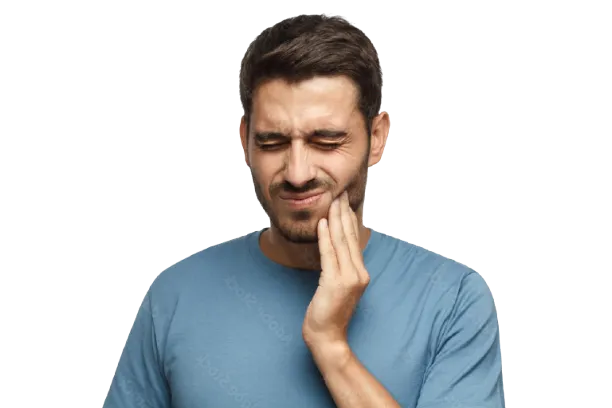
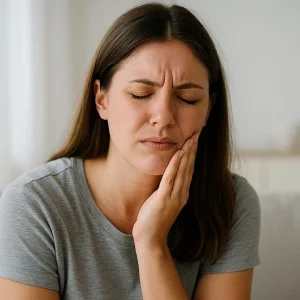
Anxiety and jaw tension often go hand in hand, creating a range of uncomfortable symptoms. If you're experiencing PTSD alongside TMJ issues, you might notice jaw pain or tenderness that seems worse during periods of heightened stress or anxiety. Many people report difficulty opening their mouth fully, clicking or popping sounds when chewing, and pain radiating to the ears or temples.
-
Stress and jaw tension manifests physically through teeth grinding and clenching, particularly during sleep. This parafunctional habit, called bruxism, puts enormous pressure on the temporomandibular joint and surrounding muscles. Over time, it can damage tooth enamel, cause chronic headaches, and worsen existing TMJ problems. The challenge with anxiety stress and TMJ syndrome is that each condition feeds into the others, creating a complex web that requires comprehensive treatment.
Find Relief at Raleigh TMJ
If you're wondering how to relieve jaw tension from stress, the answer involves addressing both the physical and psychological components. Working with a dentist who specializes in TMJ disorders is essential. They can provide custom night guards to protect your teeth from grinding damage and reduce strain on the joint during sleep. Physical therapy techniques can address muscle tension and improve jaw mobility.
Stress management becomes equally important. Mindfulness meditation, deep breathing exercises, and progressive muscle relaxation can help reduce overall tension and its impact on your jaw. Some patients benefit from cognitive behavioral therapy that addresses both PTSD symptoms and pain management strategies.
Lifestyle modifications make a difference, too. Avoid hard or chewy foods that strain the joint, limit caffeine intake, which can increase muscle tension, and practice good posture since neck and shoulder position affect jaw alignment.
Comprehensive treatment that addresses both conditions simultaneously offers the best path toward lasting relief. Learn more about the services we offer at Raleigh TMJ and Sleep!




Table of Contents
- TMJ Flare Up Symptoms
- TMJ Flare Up Causes
- How to Avoid Triggering a TMJ Flare Up
- Look to The Experts
Start treatment for Sleep Apnea and TMJ disorders today.
Request an Appointment